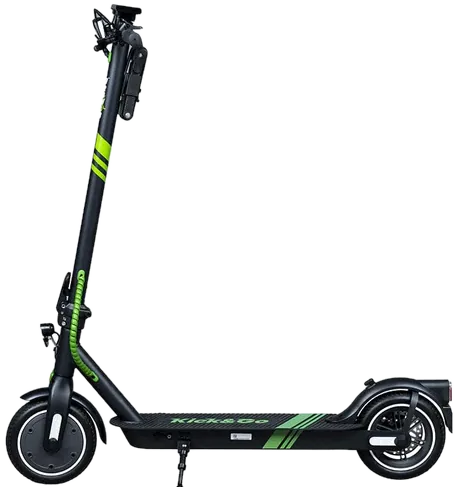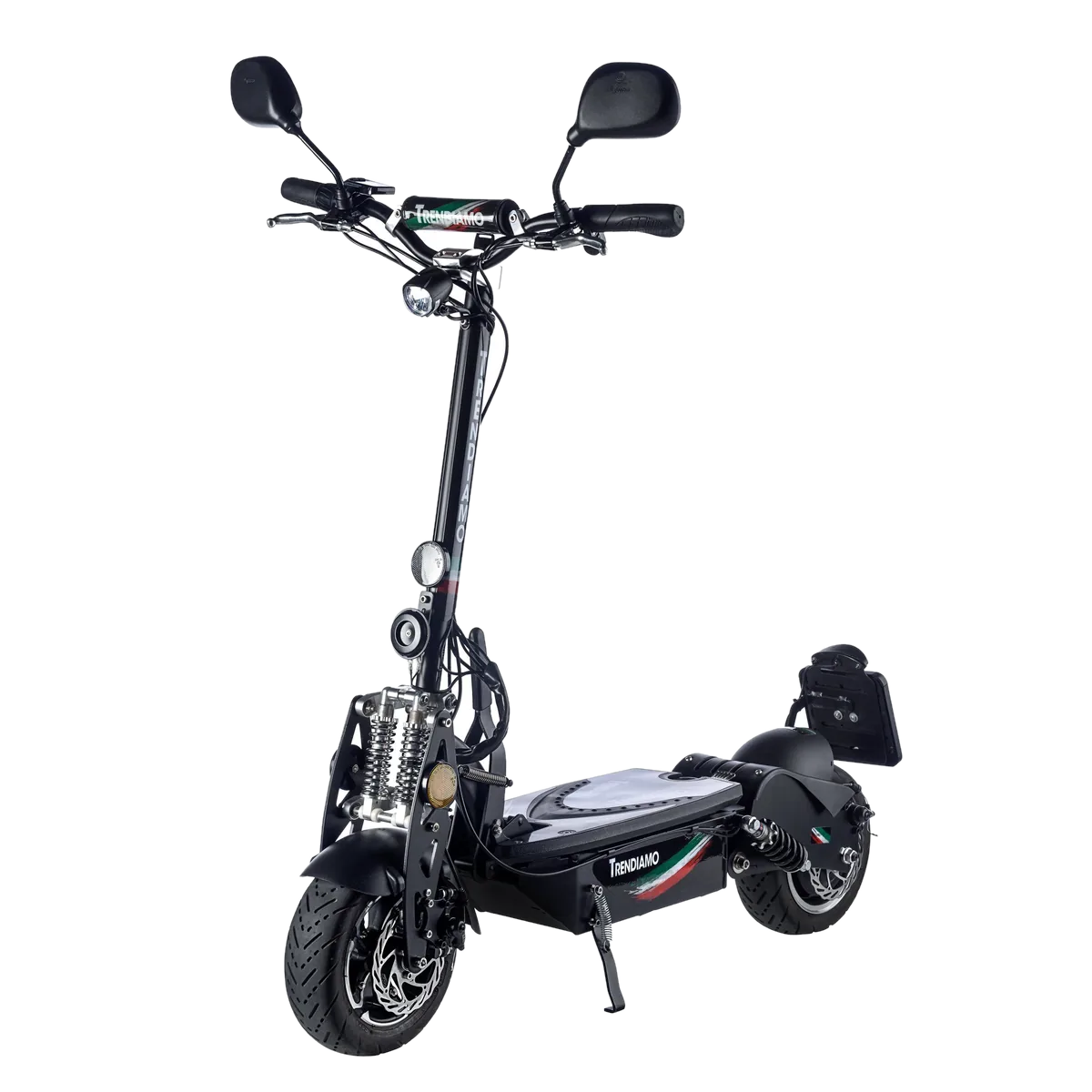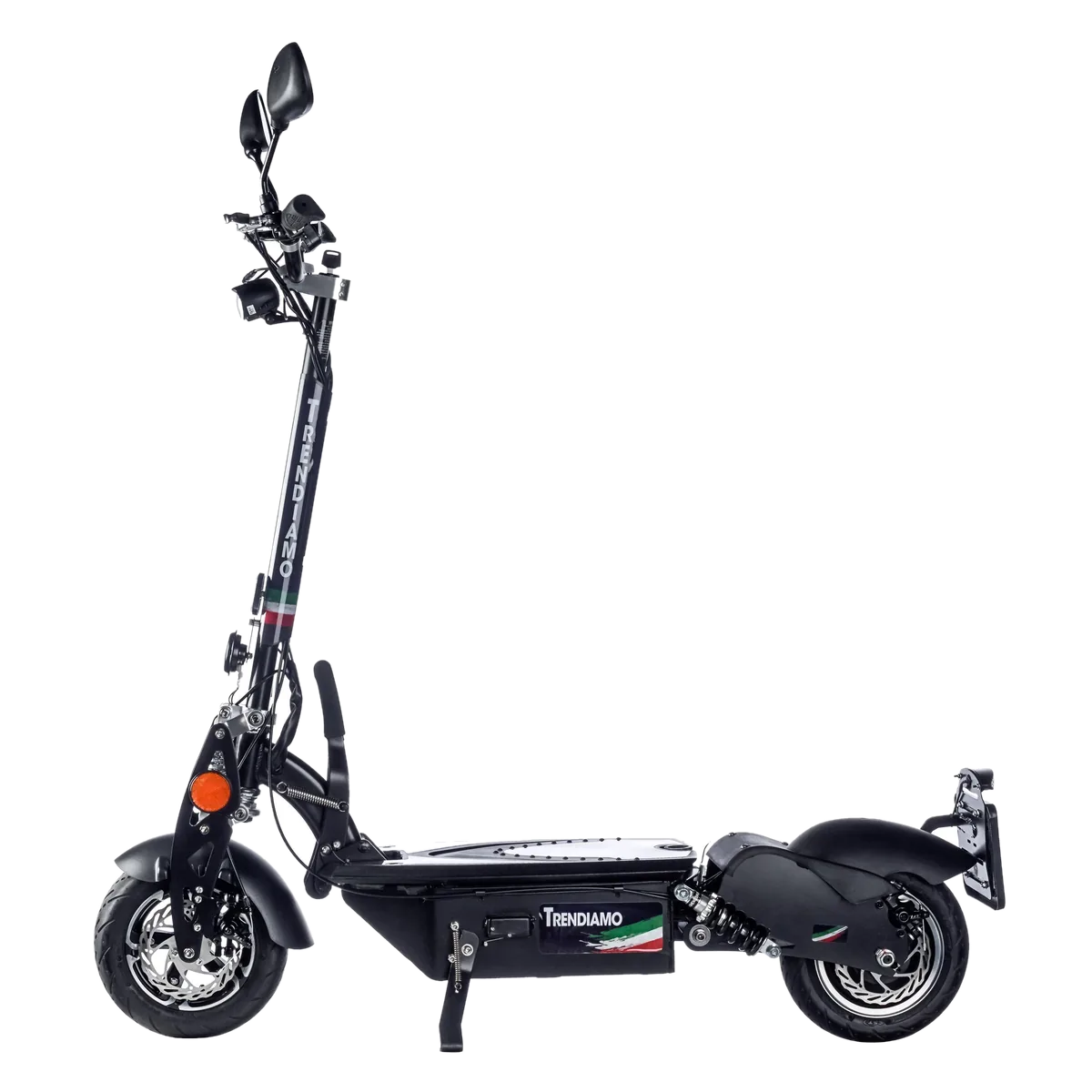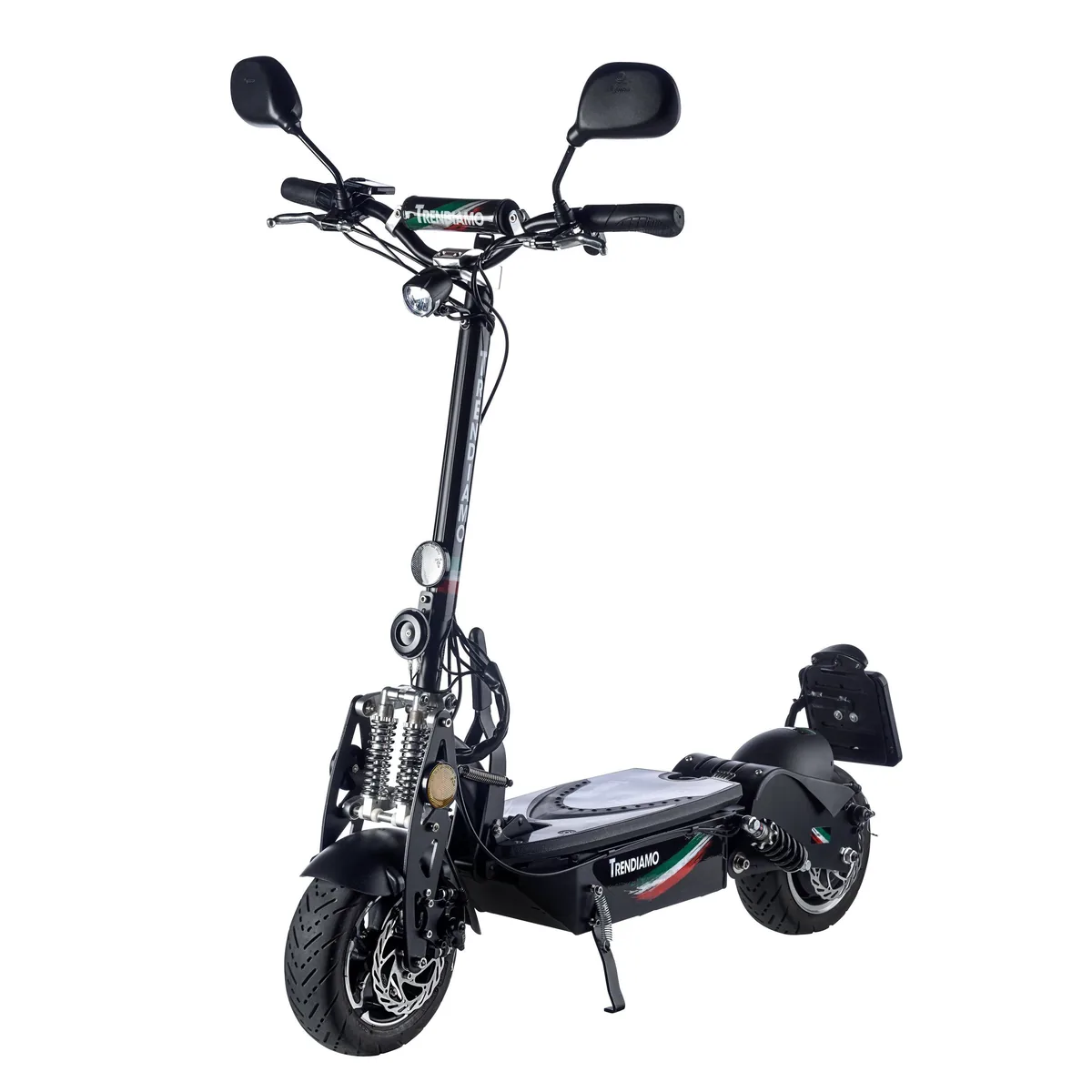
Is my electric scooter legal on public roads? (RDW & regulations 2026)
Kort: In the Netherlands most electric scooters are not allowed on public roads. Only models approved by the RDW (such as the Selana category within the LEV framework) may be ridden, provided they are insured and meet the conditions. All other e-scooters are strictly for private property, sport or off-road use.
The key question every buyer asks: am I allowed to ride this electric scooter on public roads? The honest answer is that in the Netherlands most e-scooters are not allowed on the road. Only models approved by the RDW (the Dutch vehicle authority) may use the cycle path or carriageway, and even then only under strict conditions. We tell you exactly what is and isn't allowed, so you don't make the wrong purchase or risk a fine.
Mag wél
- A model approved by the RDW (Selana route within the LEV framework)
- Provided it has valid third-party liability insurance
- Under the conditions: minimum age, max speed (typically 25 km/h), registration if required
- Riding on the cycle path or carriageway where designated
- Any scooter on your own or enclosed private property (with permission)
Mag níet
- Virtually all standard, fast or imported e-scooters without Dutch approval
- A scooter with only a CE mark but without RDW approval
- Riding on public roads without valid third-party liability insurance
- Using an approved model without meeting the conditions
- Off-road/sport models on public roads (private property only)
The short version
In the Netherlands, most electric scooters are not allowed on public roads. That sounds strict, but it is accurate: for years there was effectively a ban, because an e-scooter was legally treated as a moped and no scooter met those requirements. There is now a national approval framework for light electric vehicles (LEVs). The RDW assesses models one by one and only allows approved vehicles.
- Allowed: only a model approved by the RDW, provided it is insured and meets the conditions.
- Not allowed: virtually all standard, fast or imported e-scooters without Dutch approval.
- Always allowed: riding on your own land or enclosed private property with permission.
In our catalogue you can filter directly on "legal on public roads", so you can see at a glance which of our 130 models are allowed on the road.
Why are most e-scooters not allowed on the road?
The core lies in how the law classifies an electric scooter. A scooter with electric drive falls under the moped category. Mopeds are subject to requirements around type approval, insurance, registration plates and lighting. The problem: ordinary electric scooters were never approved as such, which is why in practice they simply weren't allowed on the road. It was not a ban on the scooter itself, but a consequence of the lack of an approval.
Since a national approval framework for light electric vehicles (LEVs) exists, this has changed. Manufacturers can have their vehicle assessed by the RDW. Only once a specific model passes the assessment may it — under conditions — be used on public roads. This applies per model, not per brand or type in general.
Important: a scooter you import online from abroad, or one that only carries a CE mark, is not automatically approved in the Netherlands. CE relates to product safety, not to admission to traffic.
Which e-scooters are allowed? (RDW approval & the Selana category)
Only models that the RDW has approved within the LEV framework may be used on public roads. The first approved electric scooter in this new framework is the Selana Alpha — often referred to as the "Selana" category. It was the first to demonstrate that an electric scooter can meet all the requirements.
If you ride an approved model, the following conditions usually apply:
- A minimum age for the rider.
- Mandatory third-party liability insurance.
- Possibly a registration plate or registration, depending on the vehicle.
- Riding on the cycle path where designated.
- A maximum design speed of typically 25 km/h.
Because the rules and the list of approved vehicles change, we recommend you always check the current status with the RDW before you take to the road. Not sure which model suits your situation? Our advisers are happy to help and you can take a test ride in the showroom.
What do you risk without approval? (fines)
If you ride on public roads with a scooter that is not approved, you fall under the category moped / unauthorised riding. The consequences can be significant:
- A fine in the region of €380 to €400 as an indicative amount. Note: fine amounts are adjusted annually, so this is an indication and not a fixed figure.
- Possible confiscation of the scooter.
- If you cause damage to others while uninsured, you are personally liable, which can be far more costly than the fine.
We do not invent helmet or driving-licence claims that may be incorrect: which additional requirements apply exactly depends on the approved model and the current regulations. Check this with the RDW. The message is simple: only ride on the road with an approved and insured vehicle.
Riding on private property
Good news for those who mainly ride for fun or sport: on your own land or enclosed private property (with the owner's permission) you may ride any electric scooter. The RDW approval framework does not apply there, because it is not a public road.
This is exactly what makes the fast and powerful models in our range interesting: think of use on your own grounds, a motocross area, a closed circuit, or for off-road and sporty riding. Of our 130 models, 68 are not allowed on public roads — these are precisely intended for this kind of private use. The other 62 models can, provided they are approved and insured, also be used on the road.
How do I know if my scooter is legal?
Want to be sure whether your (future) scooter is allowed on public roads? Then run through these points. If you cannot answer all of them with "yes", assume the scooter is intended for private property only.
- Is the exact model on the list of vehicles approved by the RDW?
- Do you have valid third-party liability insurance for the vehicle?
- Is a registration plate or registration arranged, if required?
- Do you meet the minimum age and any additional requirements?
- Do you stay within the maximum speed and ride where allowed (cycle path/carriageway)?
In our catalogue you can filter on "legal on public roads". Still in doubt? Ask our advisers for help or schedule a test ride in the showroom. And to be safe, always check the current status with the RDW, because the rules change.
Checklist: is jouw step legaal?
- Is the exact model on the list of vehicles approved by the RDW?
- Have I taken out valid third-party liability insurance for the scooter?
- Is a registration plate or registration arranged, if required?
- Do I meet the minimum age and any additional requirements?
- Does the scooter not exceed the permitted design speed (typically 25 km/h)?
- Have I checked the current status with the RDW?
Veelgestelde vragen
Can I just ride an electric scooter on the road in the Netherlands?
No. Most electric scooters are not allowed on public roads. Only models approved by the RDW may be ridden, and then under conditions such as mandatory third-party liability insurance and a maximum speed. Always check the current status with the RDW.
What is the Selana and why does it matter?
The Selana Alpha is the first electric scooter approved by the RDW within the new LEV framework. It was the first to prove that an e-scooter can meet all the requirements. People sometimes refer to the "Selana" category as an example of an approved model.
My scooter has a CE mark. Does that mean I can ride it on the road?
Not automatically. A CE mark is about product safety, not about admission to Dutch traffic. Only a model approved by the RDW may be used on public roads, provided it is insured and meets the conditions.
How high is the fine if I ride without approval?
Riding without valid approval falls under the moped/unauthorised-riding category. Expect a fine in the region of €380 to €400 as an indicative amount, plus possible confiscation. Fine amounts change annually, so this is an indication. Check the exact amounts with the competent authority.
Can I ride any scooter on my own property?
Yes. On your own land or enclosed private property (with permission) you may ride any electric scooter. The RDW approval framework does not apply there, because it is not a public road. That is why fast models are ideal for sport, off-road or a closed circuit.
Which of your models are allowed on public roads?
Of our 130 models, 62 can be used on public roads provided they are approved and insured; 68 models are intended for private property, sport or off-road use. In the catalogue you can filter on "legal on public roads" to find the right model straight away.
Do I need a driving licence or helmet?
That depends on the approved model and the current regulations; we do not claim fixed requirements here that might be incorrect. The RDW is the competent authority. Ask the RDW and let our showroom advise you on what applies to your situation.
Can I try out a legal scooter at your store?
Yes. You can take a test ride in our showroom and our advisers will help you choose a model that suits your use and the rules. In addition, use the "legal on public roads" filter in the catalogue and check the current status with the RDW.
Road-legal in the Netherlands